By: Kameron McBride
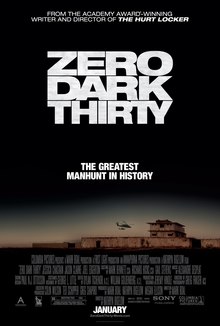
Understanding “Zero Dark Thirty” may be as easy as reading
the tagline on the poster: “The Greatest Manhunt in History.” Note that it
isn’t the greatest “kill” or greatest “moment,” just the greatest manhunt. The
film explores this manhunt, the significance is sort of left up to the audience
to interpret.
Right off the bat the film has a perfect opening: a blank
screen set with audio of the September 11th attacks for about four
minutes. Everything about that day, the confusion, the horror, how blinded we
felt, everything is captured without a single image on screen, brilliant.

From here we meet Dan (Jason Clarke) a CIA agent who is
trying to obtain information from suspects connected to the Trade Center
bombings through what the CIA refers to as “enhanced interrogation” and the
rest of us refer to as torture. I won’t waste any more than a few lines of this
review talking about the torture
controversy—there's more than enough to read online—but I don't think the film advocates torture. It wouldn't show us brutal scenes of victims if it did and we don't really see that much gained out of torture, just the name of a courier for Bin Laden that turns out to be a false name anyway.
Anyway, joining Dan is Maya (Jessica Chastain) who is new to
this investigation. She is tagged as a brilliant young mind who will bring a
killer instinct to the investigation headed by Joseph Bradley (Kyle Chandler)
in Pakistan.
Chastain is being mentioned as a favorite to win the Best
Actress Oscar award and it’s easy to see why. Her transformation as Maya is
subtle but well played. She goes from being energetic and youthful to desperate
and weathered beyond her years. She keeps chugging on her mission well after
most of her friends are off the case, leading us to wonder whether she’s
carrying the banner for the greater good or hunting down her own Moby Dick.
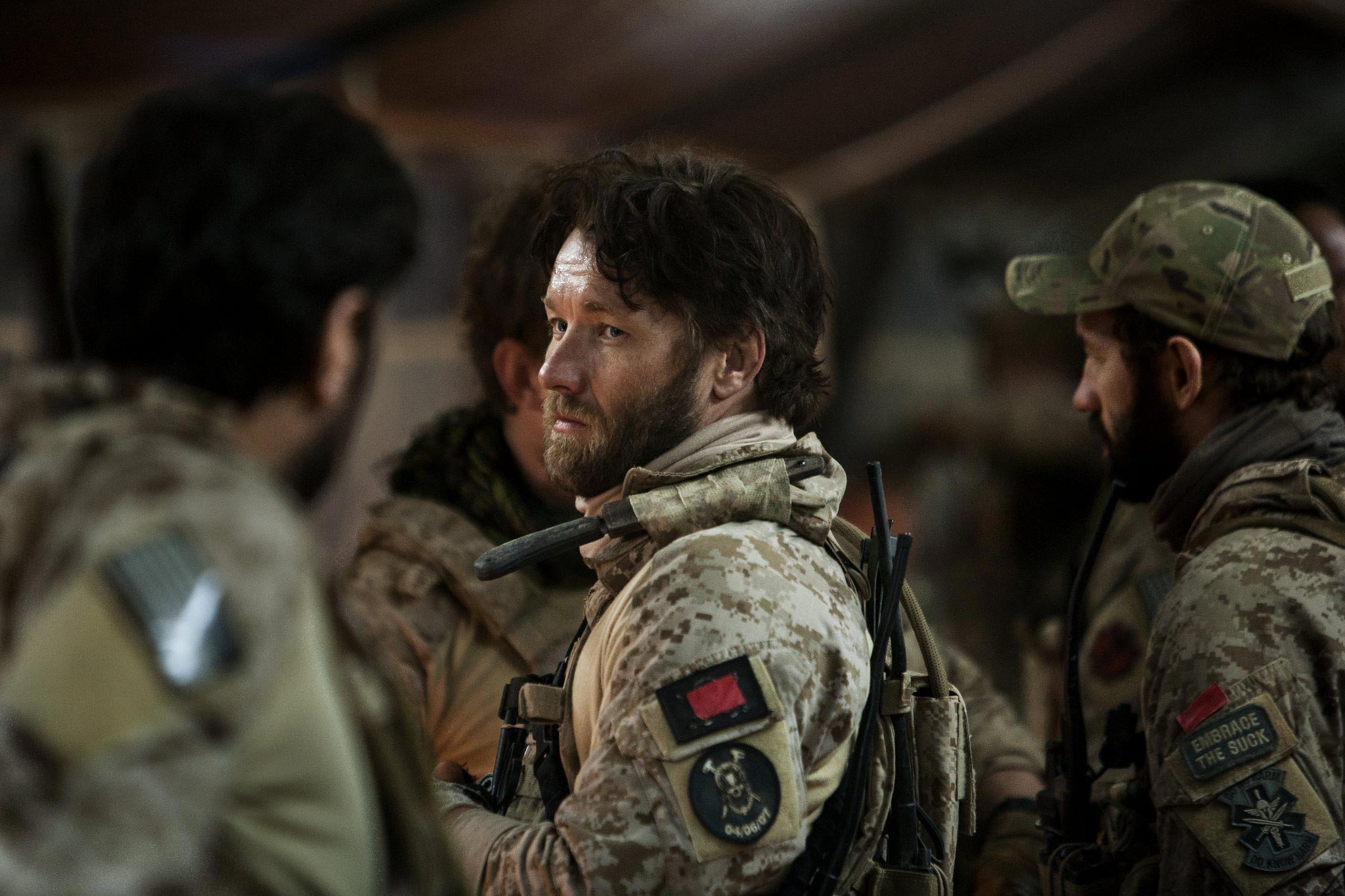
The investigation itself spans from 2003 up until that
faithful day in May of 2011 when Seal Team Six storms the fortress of Usama Bin
Laden. The tension rises not from the climax—we all know how the story ends—but
understanding the full danger of everything at stake. The mounting need to find
some sort of answer for what happened on September 11th, the risk
that was taken when storming the fortress all comes to full view here.
Director Kathryn Bigelow does a great job establishing the
realistic feel of the film through handheld cameras and a very authentic color
palette. The acts of terror in the film also feel so random and disorienting
that the clock keeps ticking our head and we understand why Maya is so
desperate to find Bin Laden.
By the end of this film I felt so involved in the plot, so
tied up in Maya’s obsession that I felt physically and mentally battered by the
time the credits rolled.
It’s hard for me to narrow down moments that truly define
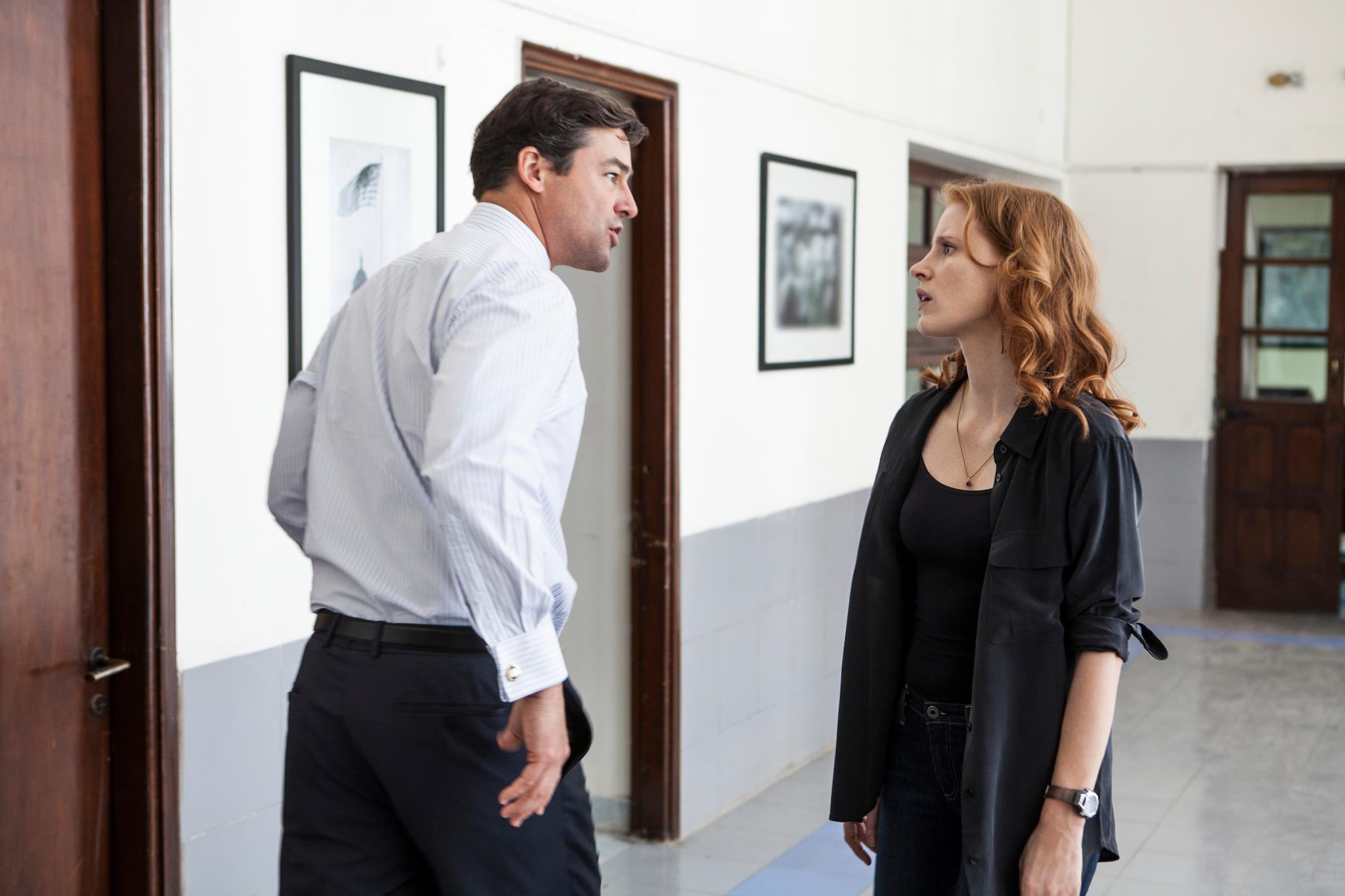
this film for me but I can ultimately think of two. The first is when Maya
confronts Bradley years into the investigation. The search has been hitting a
lull but Maya thinks she may have a new lead. Bradley counters that “I don’t
(expletive) care about Bin Laden anymore…he’s out of the game, you’re chasing
some ghost,” to which Maya asks Bradley how he would like to be remembered as
the station chief who let Bin Laden get away.
Right there is the clash of what it truly means to capture
Bin Laden. Is it going to make the world a better place? Or is it just a medal
for us to feel vindication?
The other moment is certainly the last shot of the film
where we see Maya a sobbing Maya alone on a plane after everything she has
endured. The pilot asks her where she would like to go but his question goes
unanswered as Maya looks away. What’s next for out heroine, the woman who vanquished
the scourge of our country? It’s impossible to say, as Maya and the rest of us
still have to live through the aftermath.

No comments:
Post a Comment